
Discover the Sustainable Browser Helping Power Ocean Cleanup
Why Sustainable Browsers Matter in 2025
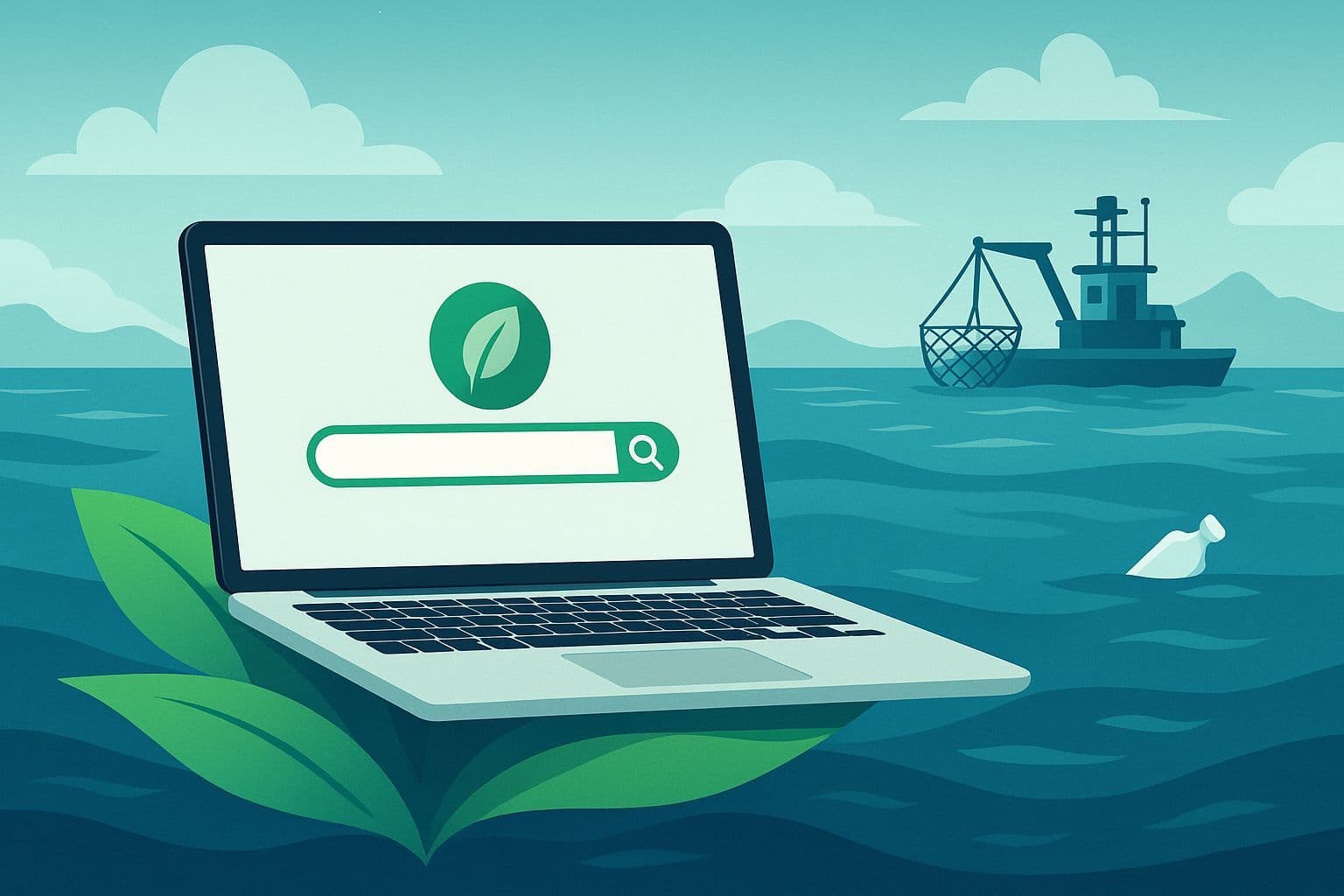
As concerns around climate change and environmental degradation rise, the idea of sustainable browsers has moved from trend to necessity. Traditional browsers consume energy, rely on tracking-heavy advertising networks, and offer no direct ecological impact. Eco-focused alternatives now aim to change that by redirecting revenue toward global environmental projects—especially ocean cleanup initiatives.
In a fast-growing digital world, every action—every tap, click, or query—creates an environmental impact. Traditional web browsers like Google Chrome, Safari, Firefox, Microsoft Edge, and Bing process an enormous amount of data, resulting in high energy consumption across global servers.
A sustainable browser aims to reduce these effects by promoting environmental sustainability, protecting personal data, and supporting projects such as ocean cleanup, global reforestation projects, and climate-positive initiatives. Some eco-focused browsers even operate like a green search engine, offering an improved search experience while funding environmental organisations in real time.
Many users in the United States, Europe, and Asia now choose eco-friendly alternatives to traditional search engines to make a positive impact—without giving up the convenience of modern technology.
Which browsers or search engines are considered the most eco-friendly?
Several eco-friendly search engines and browsers have gained popularity for reducing environmental impact, running on renewable energy, and funding initiatives such as global reforestation projects and ocean cleanup efforts. Some of the most notable include:
1. Wave Browser
A rising sustainable browsing solution designed to reduce digital waste and improve user privacy. Wave Browser helps minimise energy use and provides a lighter, cleaner search experience.
Users can find and follow ongoing updates, tutorials, and community content through its official YouTube channel.
2. Ecosia
A well-known environmentally friendly search engine that plants trees with its ad revenue. Active in Guatemala, Indonesia, and over 35 other countries.
3. OceanHero
Targets plastic waste removal and supports projects similar to Big Blue Ocean Cleanup and global garbage patch cleanup missions.
4. Ekoru
Donates revenue to marine conservation and fights the Great Pacific Garbage Patch.
5. YouCare
A green search engine that lets users choose the type of environmental or humanitarian impact they want to support, such as carbon removal, animal protection, or climate-focused sustainability projects.
6. Lilo
Supports small local communities and environmental organisations through a community-directed funding model.
While mainstream browsers like Google Chrome, Firefox, Safari, and Microsoft Edge aren’t inherently eco-focused, many users configure them with greener default search engines like Ecosia to reduce their footprint.
How Sustainable Browsers Support Ocean Cleanup Efforts
Modern sustainable browsers aren’t just environmentally conscious—they help fund major initiatives such as Big Blue Ocean Cleanup, removal of plastic waste, and cleanup missions targeting the Pacific garbage patch, including the massive Great Pacific Garbage Patch.
Here’s how the process works:
- You browse and enter queries. Every visit generates revenue just like on Google, Bing, or any default search engine.
- Funds are allocated automatically. The browser funnels part of the revenue toward cleanup technology, supporting organisations fighting marine pollution.
- Environmental action scales. More users = more funding for cleanup operations combating the garbage patch and other global pollution zones.
Some eco-focused browsers also partner with reforestation projects, similar to search engine Ecosia, known for planting trees in Indonesia, Guatemala, and other regions impacted by deforestation.
The Hidden Environmental Cost of Everyday Browsing
Most users don’t consider the environmental cost behind their daily search results, page loads, and streaming content. Traditional search engines and cloud operations consume enormous resources due to the deployment of massive data centers.
By contrast, a sustainable or environmentally friendly search engine focuses on reducing energy use, powering operations with renewable energy, and minimising unnecessary data transfers. This even applies on mobile app versions for Android devices and iOS, ensuring greener performance on smartphones, tablets, and mac systems.
Eco-browsers also remove high-consumption trackers—something users of chrome, microsoft edge, and safari often have to add through extensions.
How do eco-friendly search engines compare in terms of privacy and security?
Most eco-friendly search engines focus heavily on user privacy as part of their mission to create a more ethical, sustainable internet. Their privacy stance typically outperforms mainstream options like Google Chrome or traditional engines that depend heavily on personal data tracking.
Here’s how they compare:
1. Reduced tracking
Many sustainable and green engines avoid building detailed profiles of users. For example, search engine Ecosia anonymizes queries within a short time frame.
2. Transparent data policies
Eco-centric platforms often publish clear information about how queries, IP addresses, and cookies are handled—something traditional platforms like Google and Bing have been criticized for.
3. Secure encryption
Most use HTTPS and encrypted connections, similar to mainstream providers.
4. Minimal data retention
Eco-friendly search providers typically store less data and for shorter periods, reducing potential vulnerabilities.
5. Independence from ad-tracking networks
Because their revenue goes toward reforestation, climate action, or ocean cleanup, they have less incentive to monetize user behavior.
In summary, sustainable search engines usually offer stronger privacy, fewer trackers, and more transparent data practices than many mainstream alternatives.
Ocean Cleanup and Digital Responsibility: A Powerful Combination
Supporting ocean cleanup blends technology with climate action. With millions of tons of plastic waste polluting the oceans, funding cleanup solutions is essential for protecting wildlife, coastal areas, and local communities.
By redirecting revenue from online searches, sustainable browsers help:
- Remove plastic from major ocean zones, including the Pacific Garbage Patch
- Support research aimed at preventing future garbage accumulation
- Aid organisations developing long-term sustainability strategies
- Strengthen local communities involved in environmental restoration
Some browsers also integrate AI tools to optimise energy use, reduce duplicate queries, and enhance overall browsing sustainability.
Why GetJar Users Should Care About Green Search Engines
GetJar users often look for apps that bring innovation—and a green search engine fits perfectly. Whether on Android, iOS, or desktop, switching from traditional search engines to a sustainable one offers benefits such as:
- Reduced energy consumption
- A privacy-friendly search experience
- Direct contribution to environmental sustainability
- Support for global reforestation, cleanup efforts, and community-based restoration projects
Eco-browsers similar to Ecosia have planted millions of trees in Guatemala, Indonesia, and other countries. If tree-planting browsers can scale globally, so can ocean-focused alternatives.
How to Choose the Right Sustainable Browser
When selecting a sustainable browser or friendly search engine, consider:
- Whether it clearly supports ocean cleanup or reforestation
- Its transparency around funding, especially toward organisation partners
- The performance of its search engine
- Whether it works seamlessly on android devices, iOS, desktop, and mobile app formats
- Compatibility with your preferred platform: chrome, firefox, safari, microsoft, etc.
Look for browsers that publish monthly impact reports—often labeled by month such as April, June, September, or October—allowing users to track progress toward sustainability.
Conclusion: One Simple Switch, One Big Positive Impact
Choosing a sustainable browser or environmentally friendly search engine is one of the easiest ways to make a measurable difference. Every online action supports ocean cleanup, combats the Great Pacific Garbage Patch, and promotes broader sustainability initiatives.
Your everyday searches—whether on google, bing, or a green alternative—have the power to shape the planet. Switching your default browser today can help drive meaningful environmental action tomorrow.
About the Author

Miles Hollen | Editor
Miles is a tech writer and analyst passionate about the intersections of AI, gaming, and emerging technologies. With a sharp eye for innovation and a love of storytelling, he explores how breakthroughs in artificial intelligence are reshaping the gaming industry and the wider digital landscape. At GetJar.com, Miles delivers accessible insights, thoughtful reviews, and forward-looking commentary for readers eager to stay ahead in the world of tech.